Lifestyle
Building Strength: Why Resistance Training is Your Best Friend on a GLP-1
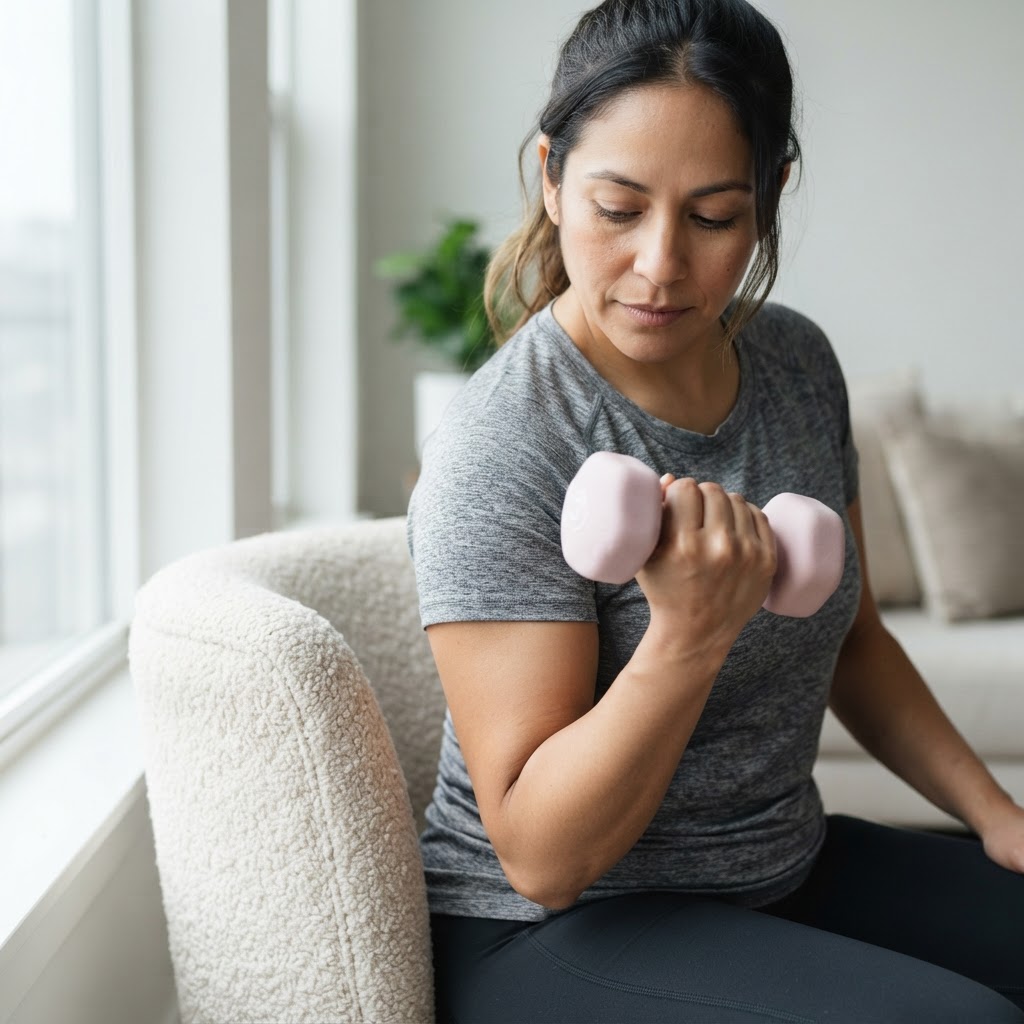
Losing weight on a GLP-1 is exciting, but it can also lead to muscle loss. Here is why adding resistance training to your routine is the secret to keeping your strength and feeling your best.
The Muscle Connection
When we start a GLP-1 journey, the scale often moves in a direction we love. However, as we lose weight, our bodies don't just shed fat; they can also lose lean mass, which includes our precious skeletal muscle [3, 18]. It is a common part of the process, but it is also something we can actively manage to ensure we are losing weight in a way that keeps us feeling strong and capable [14, 15].
Why Resistance Training Matters
Think of your muscles as the engine of your body. When we lose weight rapidly, our bodies might look to muscle tissue for energy if we aren't giving them a reason to hold onto it [14]. This is where resistance training—lifting weights, using resistance bands, or even doing bodyweight exercises—becomes a game-changer [13, 27].
Research shows that resistance exercise is one of the most effective ways to preserve lean body mass while you are on a GLP-1 medication [10, 19]. By challenging your muscles, you are sending a clear signal to your body: 'I need this tissue to stay strong.' This doesn't mean you need to become a bodybuilder overnight. Even short, consistent sessions can make a significant difference in your body composition and overall metabolic health [13, 19].
Getting Started Without the Overwhelm
If you are new to strength training, the gym can feel intimidating. The good news is that you can start exactly where you are. Here are a few gentle ways to incorporate resistance into your week:
- Start Small: Aim for two to three sessions per week, focusing on 20–30 minutes of movement [13, 27].
- Use What You Have: You don't need fancy equipment. Resistance bands are inexpensive and easy to store, and your own body weight (think squats, wall push-ups, or lunges) is a fantastic place to begin [27].
- Prioritize Protein: Muscle needs fuel to repair and grow. Aiming for 20–30 grams of protein at each meal can help support your muscles as you increase your activity levels [23, 27].
- Listen to Your Body: If you are experiencing side effects like fatigue or nausea, it is okay to adjust your intensity [12]. Some days a light walk is perfect, and other days you might feel up for a bit more. Consistency beats intensity every time [14].
A Holistic Approach
Remember, your GLP-1 is just one piece of the puzzle. Combining your medication with a balanced approach—prioritizing protein, staying hydrated, and moving your body in ways that build strength—is the best way to support your long-term wellness [14, 15].
If you are unsure about how to start a new exercise routine, talk to your prescribing clinician. They can help you create a plan that is safe and appropriate for your specific health needs [20]. You are doing the work to build a healthier future, and protecting your muscle is a powerful way to invest in that journey.