Dose Day Management
Injection day — and the 24–48 hours that follow — is often the hardest part of the GLP-1 experience. Having a dose-day protocol makes it predictable and manageable.
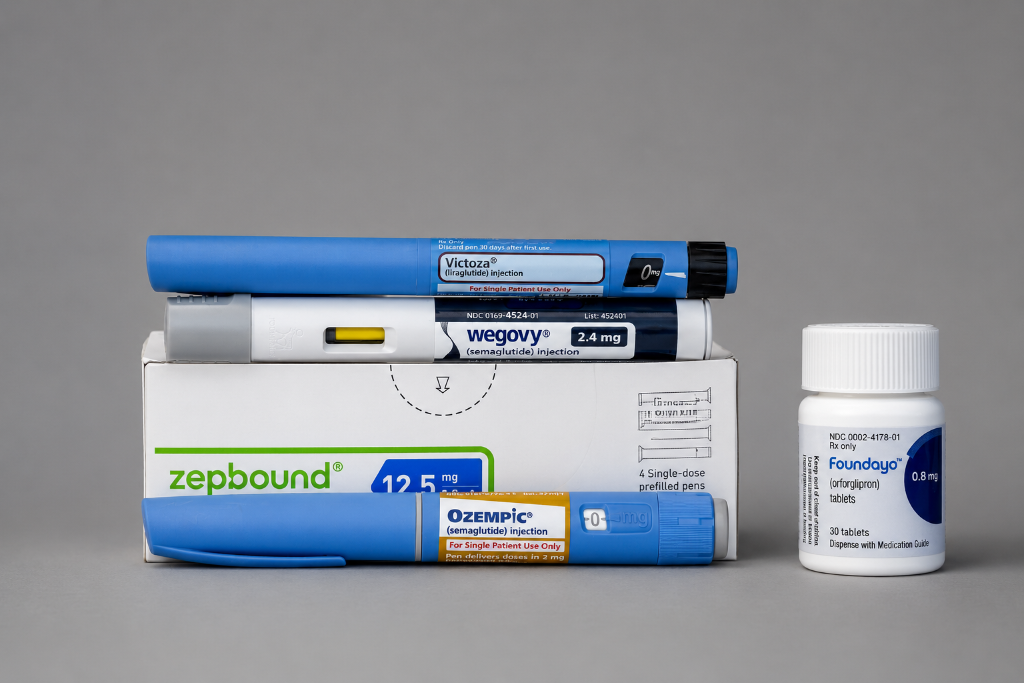
Keep in mind that every person responds differently, and it's important to follow the instructions provided with your specific medication and your healthcare provider's recommendations.
Optimal Injection Technique and Equipment Preparation
Using proper injection technique (meaning the way you position the needle, pinch your skin, and hold the pen) can help reduce discomfort and make sure your medication is delivered correctly. Many people find that letting their injection pen sit at room temperature for several minutes before use makes the injection feel more comfortable, since cold medication can sting more. Always follow the storage and handling instructions provided by the manufacturer of your medication. If you clean the injection site with an alcohol swab (a small wipe soaked in rubbing alcohol), let the skin dry completely before injecting — injecting through wet alcohol may increase stinging. Injection techniques vary slightly depending on the medication and device, so follow the manufacturer's Instructions for Use regarding needle angle (meaning how steeply you hold the pen against your skin), skin pinching (gently squeezing a fold of skin to give the needle a softer target), and how long to hold the pen in place after the dose is delivered. Pulling the pen away too quickly may cause medication to leak from the injection site.
The Importance of Site Rotation
Most GLP-1 medications can be injected into the abdomen (your belly area), thigh, or back of the upper arm. Regularly rotating injection sites — meaning switching to a different spot each time rather than reusing the same one — is widely recommended to help reduce skin irritation and keep the tissue underneath healthy. When injecting into the abdomen, manufacturers generally recommend avoiding the area immediately surrounding the belly button. Instead of repeatedly using the exact same location, rotate to a different nearby site with each injection. Many people find it helpful to alternate between different areas of the abdomen, or between the abdomen and thigh. If you notice persistent lumps, thickened skin, unusual pain, or recurring irritation at an injection site, stop using that area and talk it over with your healthcare provider.
Educational Information: This guide is intended for educational purposes only and is not a substitute for professional medical advice. Always follow the prescribing information and Instructions for Use for your specific GLP-1 medication, and consult your healthcare provider before making changes to your treatment plan.
Deep dive
What should you expect on dose day?
Many people notice their side effects are most noticeable during the first day or two after an injection, particularly after starting treatment or increasing their dose. Common side effects include nausea, reduced appetite, fatigue, and occasionally headache or dizziness. For many people, these symptoms become less noticeable over time as their body adjusts, although individual experiences vary. Keeping a simple log of your injections, meals, hydration, and symptoms can help you recognize patterns and prepare for future dose days.
What's a good dose-day protocol?
Many people find the following habits helpful on injection days:
- Stay well hydrated before and after your injection.
- If you're experiencing vomiting, diarrhea, or reduced food intake, some people find electrolyte beverages helpful in addition to water.
- Consider eating a small, bland, lower-fat meal before your injection if that agrees with your stomach.
- If larger meals seem to worsen nausea, try eating smaller portions throughout the day instead.
- Choose easy-to-digest foods such as broth, crackers, toast, rice, bananas, applesauce, yogurt, smoothies, or scrambled eggs if your appetite is reduced.
- If your schedule allows, some people prefer taking their injection the evening before a lighter day while they learn how their body responds.
How do you manage nausea on dose day?
Several non-prescription strategies may help reduce mild nausea.
Ginger has been studied as a natural option for nausea, and many people find ginger tea, ginger chews, or ginger capsules helpful. Some people also find peppermint tea soothing, although research is more limited. Acupressure wristbands, commonly used for motion sickness, may also provide relief for some individuals.
If you feel nauseated, sitting upright or reclining slightly may feel more comfortable than lying completely flat. If nausea becomes severe, prevents you from eating or drinking, lasts longer than expected, or is accompanied by severe abdominal pain, persistent vomiting, or signs of dehydration, contact your healthcare provider promptly. They may recommend adjusting your treatment plan or prescribing medication to help manage your symptoms.
Sources
- injectco.com — https://injectco.com/most-effective-glp-1-injection-sites/
- plexusdx.com — https://plexusdx.com/blogs/learn/empowering-your-health-a-comprehensive-guide-on-how-to-use-ozempic-pens-effectively-plexusdx
- fellahealth.com — https://www.fellahealth.com/guide/what-helps-nausea-from-glp-1
- revistadiabetes.org — https://www.revistadiabetes.org/wp-content/uploads/How-to-Improve-Gastrointestinal-Tolerance-in-Treatment-with-GLP-1-Receptor-Agonists.pdf
Related insights
Reclaiming Your Spark: Navigating Fatigue on Your GLP-1 Journey
Feeling a bit wiped out lately? We explore why GLP-1 medications can sometimes lead to fatigue and share practical, gentle ways to boost your energy levels throughout the week.
Navigating Nausea: Finding Your Rhythm with GLP-1s
Feeling a bit queasy on your GLP-1 journey? You are not alone—here are some gentle, practical ways to manage digestive discomfort and feel more like yourself.