Targeted Electrolytes
For hydration support (sodium, potassium, magnesium), especially when appetite and fluid intake drop. GLP-1 users are chronically under-hydrated without realizing it.
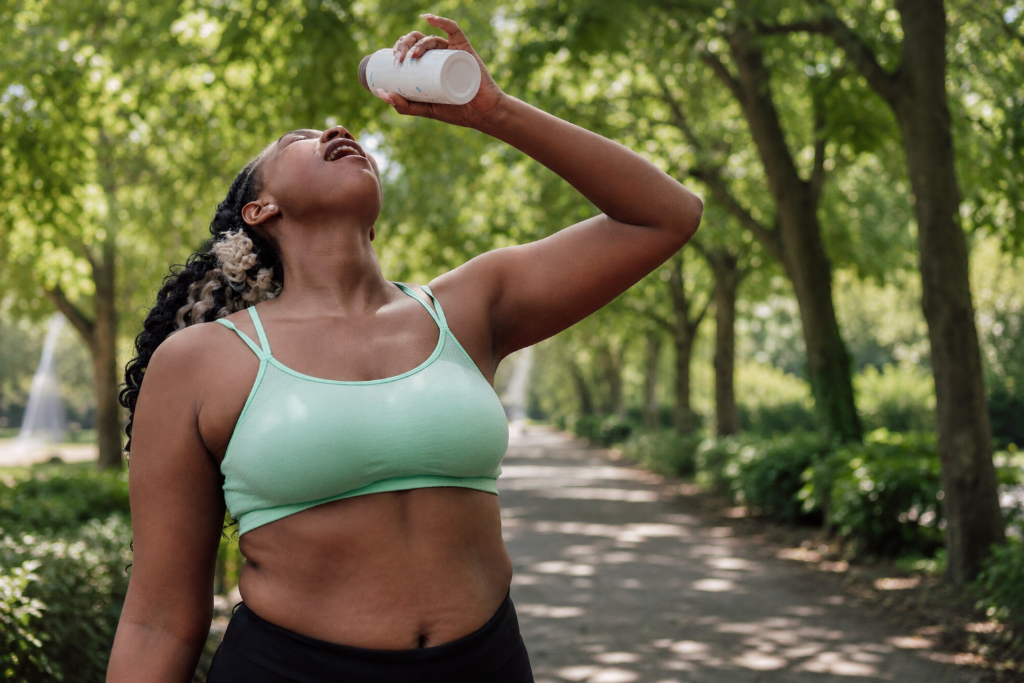
Beyond just eating less, it helps to know that GLP-1 medications actually dial down the thirst signal in your brain — specifically in a small region called the hypothalamus that controls things like hunger, thirst, and body temperature. Because the medication basically "turns off" your natural urge to drink, you can't count on feeling thirsty to tell you when to sip. To stay ahead of a slow, creeping dehydration, a commonly cited general target is about 2–3 liters (64–100 ounces) of fluid a day for many adults — that's roughly four to five standard water bottles spread across the day, taken in small, frequent sips rather than big gulps that can overwhelm a digestive system that's already running slower than usual. Individual needs vary based on your body size, activity level, and health status; your clinician can help you find your personal target.
Dehydration is also a bit of a "side effect multiplier" — meaning it makes other GLP-1 problems like nausea and constipation noticeably worse. Because you're eating less food overall, you're also missing out on the water that usually comes from water-rich fruits and vegetables, which normally make up about 20% of your daily fluid intake. One simple way to check whether you're actually hydrated is to notice how often you're using the bathroom; well-hydrated adults typically go seven or more times a day, and your urine should look pale yellow rather than dark.
You need to be extra proactive with fluids and electrolytes during dose titration (that's the period when you're stepping up to a higher dose) and in the 24–72 hours after each injection, since that's when fluid loss from your gut is most likely to spike. If you're hit with persistent vomiting or diarrhea and don't aggressively replace those minerals, it can lead to acute kidney injury — a serious complication flagged in the FDA warnings for these medications. And one friendly safety note: if you already have high blood pressure, talk to your provider before reaching for a very high-sodium electrolyte mix, since some popular formulas are built for extreme athletic sweat loss, not everyday GLP-1 maintenance.
When nausea makes plain water hard to get down, try room-temperature drinks or warm herbal teas like ginger or peppermint — ice-cold beverages can sometimes trigger stomach cramping or extra discomfort. You can also sneak in hydration through what you eat: "high-water, high-value" foods like cucumbers, melons, and bone broth give you fluid and a little functional protein at the same time. Setting a simple "sipping schedule" — a phone reminder or a measured water bottle — helps keep your intake steady through the day, even when your appetite and thirst are at their lowest.
Deep dive
The GLP-1 Hydration Gap
When you're eating less, you're also drinking less. Many GLP-1 users experience fatigue, dizziness, and headaches that are actually dehydration — not the medication itself. Plain water isn't enough; your body needs electrolytes (sodium, potassium, magnesium) to actually absorb and retain that water. An electrolyte mix added to your daily water can make a noticeable difference in energy within days.
Sodium, Potassium & Magnesium Explained
Sodium helps your body hold onto water — if you're drinking lots of water without enough sodium, you actually flush out more than you retain. Potassium supports muscle function and prevents cramping. Magnesium aids muscle relaxation and sleep. A good electrolyte supplement will include all three in balanced ratios. Avoid sugar-heavy sports drinks; look for zero-sugar or low-sugar electrolyte powders.
When to Use Electrolytes
First thing in the morning, before you feel thirsty. On dose days, electrolytes are especially important — nausea and reduced intake are at their peak. If you feel lightheaded, tired, or foggy, try an electrolyte drink before reaching for caffeine or food. It often resolves the issue within 20 minutes.
Sources
- getsowell.com — https://getsowell.com/blogs/ingredients/electrolytes-101-a-guide-for-glp-1-users#toc-1
- my.clevelandclinic.org — https://my.clevelandclinic.org/health/treatments/13901-glp-1-agonists
- youtube.com — https://www.youtube.com/watch?v=zO8SFnAcOFQ
- pwaterapp.com — https://pwaterapp.com/hydration-glp1-water-intake/
- healthline.com — https://www.healthline.com/health/drugs/staying-hydrated-while-taking-glp-1s
- drinkpland.com — https://drinkpland.com/blogs/news/taking-ozempic-here-s-why-hydration-matters-more-than-ever-2025-guide
Related topics
Related insights
Reclaiming Your Spark: Navigating Fatigue on Your GLP-1 Journey
Feeling a bit wiped out lately? We explore why GLP-1 medications can sometimes lead to fatigue and share practical, gentle ways to boost your energy levels throughout the week.
The Hydration Hack: Why Electrolytes Matter More on a GLP-1
If you've noticed you're just not as thirsty lately, you aren't alone. We're diving into why GLP-1s change our hydration needs and how electrolytes help keep us balanced.
Fighting the GLP-1 Slump: How to Reclaim Your Energy
If you're feeling more tired than usual on your weight-loss journey, you aren't alone. Discover how simple shifts in hydration and micronutrients can help you get your spark back.