GI Discomfort & Bloating
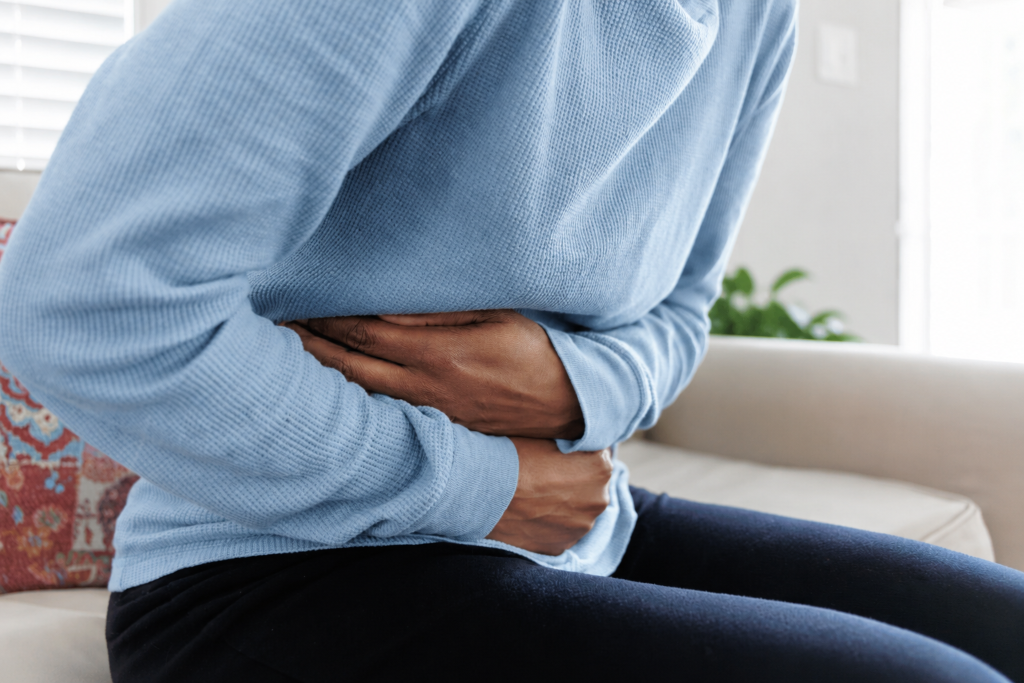
Gas, bloating, and general GI discomfort are common as your digestive system adapts to slowed gastric emptying. Most cases resolve with diet adjustments and patience.
The Risk of SIBO and Nutrient Malabsorption
Beyond general gas, the significant slowing of your intestinal motility — meaning the wave-like muscle movements that push food through your gut — can sometimes trigger Small Intestinal Bacterial Overgrowth, or SIBO for short; that's a condition where bacteria that normally live farther down multiply out of control in your small intestine, the upper stretch of your digestive tract where most of your food gets absorbed. SIBO is particularly problematic because it doesn't just cause intense, persistent bloating — it can also get in the way of your body absorbing essential nutrients and vitamins from the food you eat. To help prevent this overgrowth and keep your digestion on track, clinical data suggests that probiotics (meaning supplements containing live helpful bacteria) that specifically include Lactobacillus or Bifidobacterium species (two types of bacteria known to support a balanced gut) may help maintain microflora balance — meaning the natural mix of good and bad bacteria in your intestines — and may reduce transit-time related issues.
Gastroparesis and Electrolyte Hydration Pitfalls
It's also important to tell the difference between ordinary discomfort and gastroparesis — a more serious condition where the muscles in your stomach wall become too weak to push food out into the rest of your digestive tract, so emptying is severely delayed and the vagus nerve (the main nerve that controls those stomach muscles, meaning the pathway that carries signals between your brain and your gut) can potentially be affected. While staying hydrated is a genuine priority, be aware that loading up on excessive amounts of electrolytes (meaning minerals like sodium and potassium that help your body manage fluid) from popular hydration drinks can ironically worsen bloating by pulling water into your stomach and away from your muscles and skin. Sticking closely to your clinician's gradual dose escalation schedule (meaning the slow step-up of your medication amount over time) is the main way to lower these risks, because it lets your body undergo tachyphylaxis — a process where your digestive system gradually gets used to the medication's motility-slowing effects (meaning its tendency to put the brakes on those wave-like muscle movements that move food along).
Deep dive
What's causing GI discomfort and bloating?
Slowed gastric emptying means food ferments longer in your digestive tract, producing more gas. Bloating is especially common after high-fat, high-fiber, or high-sugar meals. Carbonated beverages and sugar alcohols (common in protein bars and 'diet' foods) are major triggers. Your gut microbiome is also adjusting to your new eating patterns, which can temporarily increase gas and discomfort.
What dietary adjustments help with bloating?
Eliminate carbonated drinks entirely — even sparkling water can worsen bloating on GLP-1s. Read labels carefully for sugar alcohols (sorbitol, xylitol, mannitol, erythritol) — they ferment heavily in the gut. Eat slowly and chew thoroughly. Avoid lying down within 2 hours of eating. Keep fat content per meal moderate — high-fat meals stay in your stomach longest and cause the most discomfort.
What supplements and strategies help with GI discomfort?
A probiotic supplement may help balance your gut microbiome and reduce gas over time. Digestive enzymes taken with meals can reduce bloating by helping break down food more efficiently. Peppermint tea or enteric-coated peppermint oil capsules are evidence-based options for GI discomfort and spasm. If bloating is severe or accompanied by pain, contact your clinician — it may indicate a more significant issue.
Sources
- doi.org — https://doi.org/10.1016/j.obpill.2025.100209
- plexusdx.com — https://plexusdx.com/blogs/learn/how-to-prevent-nausea-on-glp-1-medications-a-comprehensive-guide-plexusdx
- fellahealth.com — https://www.fellahealth.com/guide/what-helps-nausea-from-glp-1
- pmc.ncbi.nlm.nih.gov — https://pmc.ncbi.nlm.nih.gov/articles/PMC11520108/
- mymedthrive.com — https://www.mymedthrive.com
- revistadiabetes.org — https://www.revistadiabetes.org/wp-content/uploads/How-to-Improve-Gastrointestinal-Tolerance-in-Treatment-with-GLP-1-Receptor-Agonists.pdf
Related topics
Related insights
Navigating Nausea: Finding Your Rhythm with GLP-1s
Feeling a bit queasy on your GLP-1 journey? You are not alone—here are some gentle, practical ways to manage digestive discomfort and feel more like yourself.
The Omega-3 Edge: Why Healthy Fats Are a GLP-1 Game Changer
Discover how Omega-3 fatty acids can support your GLP-1 journey by fighting inflammation, protecting your heart, and boosting metabolic health.
The Hydration Hack: Why Electrolytes Matter More on a GLP-1
If you've noticed you're just not as thirsty lately, you aren't alone. We're diving into why GLP-1s change our hydration needs and how electrolytes help keep us balanced.